- £45 off GP appointments and home visits
- 20% off all wellness services
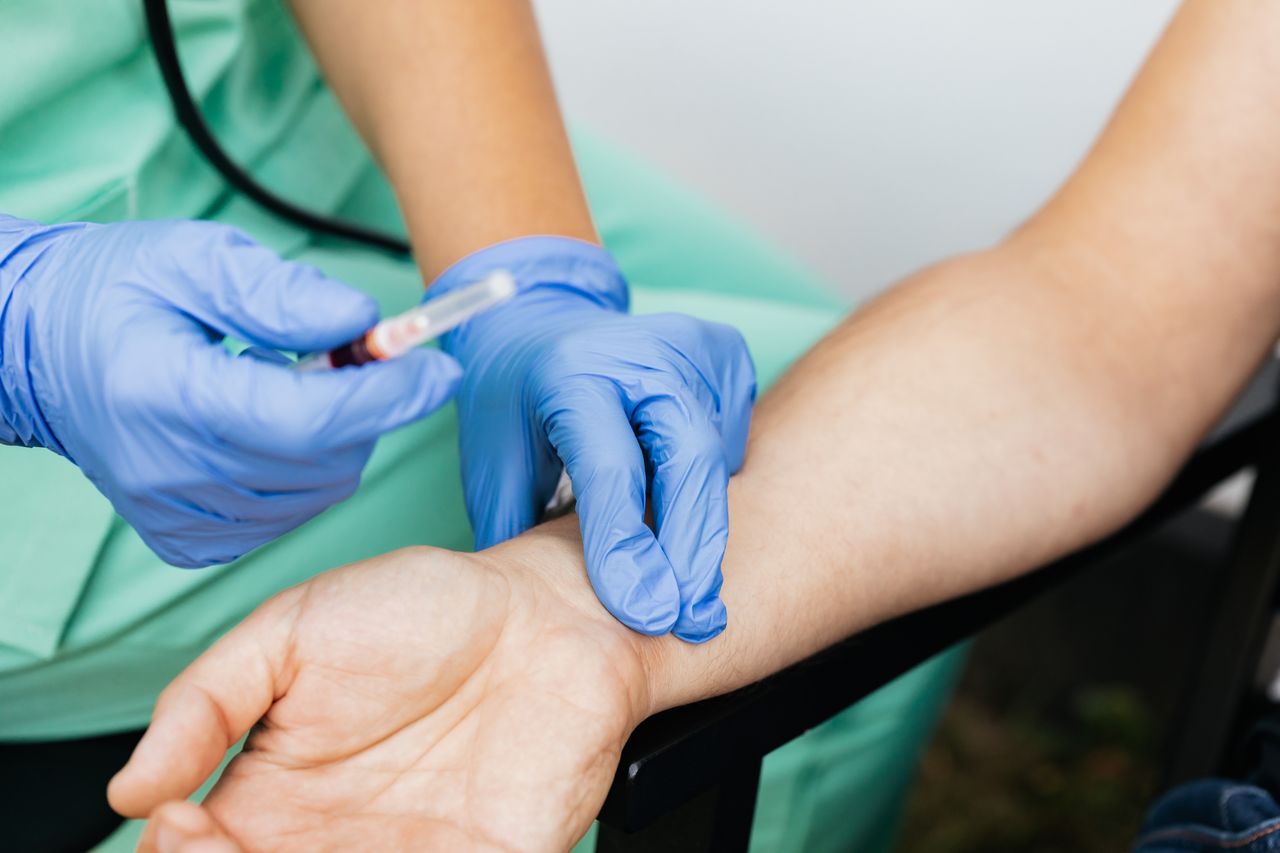
- Free phlebotomy
- 10% off bloods tests and labs
- 2x free cryotherapy sessions (worth £100)
- 1x free red light treatment (worth £60)
- 1x free body composition scan (worth £45)

Lorem ipsum dolor sit amet, consectetur adipiscing elit. Suspendisse varius enim in eros elementum tristique.
What To Do If My Child's Temperature Won't Go Down?

If your child's temperature won't go down, focus on how they are behaving, offer plenty of fluids and check for other symptoms. A high temperature is usually 38°C or above in children, and it often improves within a few days. You can give child-appropriate paracetamol, such as Calpol, or ibuprofen if suitable, following the instructions on the packaging.
However, if your child seems seriously unwell, has difficulty breathing or is difficult to wake, seek urgent medical help rather than waiting for their temperature to fall.
We are a private GP practice in Radlett and open 7 days a week. If you would like to book an appointment, call us on 01923 850 999.
3 key points to remember
- A temperature of 38°C or above is considered a fever in children, but their overall condition is just as important as the number on the thermometer.
- Fluids, rest, comfortable clothing and appropriate medication can help your child feel better.
- Know when to seek medical advice, especially if your child is under three months old, develops warning signs or their fever persists.
What can help bring down a child's temperature?
There are several simple ways to help your child feel more comfortable while their body fights the infection causing the fever.
- Offer regular drinks to prevent dehydration. Continue breastfeeding babies as usual.
- Encourage your child to rest and allow them to sleep when needed.
- Dress them in light, comfortable clothing without wrapping them in too many layers.
- Keep the room at a comfortable temperature, avoiding excessive heating.
- Check their temperature using a digital thermometer and monitor changes in their behaviour.
- Give child-appropriate paracetamol or ibuprofen if they are uncomfortable, following the age, weight and dosage instructions.
Avoid cold baths, ice packs and sponging with cold water, as these can cause shivering and discomfort. Do not force your child to eat if they have a reduced appetite, but encourage regular fluids.
How high is considered a high temperature?
In children, a temperature of 38°C or above is generally considered a fever. The temperature alone does not tell you how serious an illness is.
According to NHS guidance, a temperature of 38°C or above in a baby under three months old requires urgent medical assessment. For babies aged three to six months, a temperature of 39°C or above also requires urgent medical advice.
Children older than six months may develop higher temperatures during common infections. However, always consider their symptoms and behaviour alongside the reading.
Does clothing affect a child's temperature?
Yes, clothing and bedding can influence a temperature reading and affect how comfortable your child feels. Too many layers, thick blankets or a very warm room may make them feel hotter.
Keep your child comfortably dressed, rather than undressing them completely or bundling them up. If they are shivering, a light layer may help until they feel comfortable again.
Wait a few minutes after your child has been wrapped in a blanket or had a bath before checking their temperature, as these can temporarily affect the reading.
I have given my child Calpol and their temperature still won't go down
Calpol contains paracetamol, which helps relieve discomfort and fever. However, it may not bring your child's temperature back to normal, and that does not automatically mean the medicine has failed.
Follow the packaging instructions for the correct dose and timing. Never give extra doses because the fever remains high, and check whether any other medicines contain paracetamol.
If your child remains uncomfortable, becomes more unwell or develops new symptoms, seek medical advice. If they are difficult to wake, struggling to breathe or have a seizure, seek emergency help immediately.
Should I give my child Calpol and ibuprofen for a temperature?
Paracetamol and ibuprofen are both used to relieve fever-related discomfort, but you should not give them together at the same time unless a healthcare professional advises you to.
NHS guidance recommends considering the other medicine if your child remains distressed or uncomfortable, rather than switching medicines simply to reduce the number on the thermometer. Ask a pharmacist, GP or NHS 111 for advice about alternating medicines and suitable doses.
Ibuprofen is not suitable for every child, including some children who are dehydrated or have certain medical conditions. Always check the age restrictions and instructions on the packaging.
Should you take your child to a doctor or A&E if their temperature doesn't go down?
Seek urgent medical advice if your child is under three months old and has a temperature of 38°C or above, or is aged three to six months with a temperature of 39°C or above.
Call 999 or go to A&E if your child has severe breathing difficulties, blue or grey lips, is unresponsive, has a seizure for the first time or develops a rash that does not fade when pressed with a glass.
Contact your GP or NHS 111 if your child is getting worse, is not drinking, has signs of dehydration or you are worried about their symptoms. Trust your instincts if something does not seem right.
How long does my child have a temperature before I should worry?
Most childhood fevers improve within one to four days. However, you should not wait several days if your child has concerning symptoms or is in a higher-risk age group.
The NHS advises seeking medical advice if a child's fever lasts for five days or more. You should also seek advice sooner if symptoms worsen, your child is unusually sleepy, they are passing less urine or they are not behaving as they normally would.
Remember, the aim is not always to make the thermometer show a normal temperature immediately. It is to keep your child comfortable, maintain hydration and recognise when they need medical attention.
Similar posts you may like





Contact methods
You can contact our reception using the details below
Address
Unit 27B, Battlers Green Farm, Radlett, WD7 9PH
Request a callback
Alternatively, request a callback the contact form below.