- £45 off GP appointments and home visits
- 20% off all wellness services
- Free phlebotomy
- 10% off bloods tests and labs
- 2x free cryotherapy sessions (worth £100)
- 1x free red light treatment (worth £60)
- 1x free body composition scan (worth £45)

Lorem ipsum dolor sit amet, consectetur adipiscing elit. Suspendisse varius enim in eros elementum tristique.
What Happens During a Blood Test?
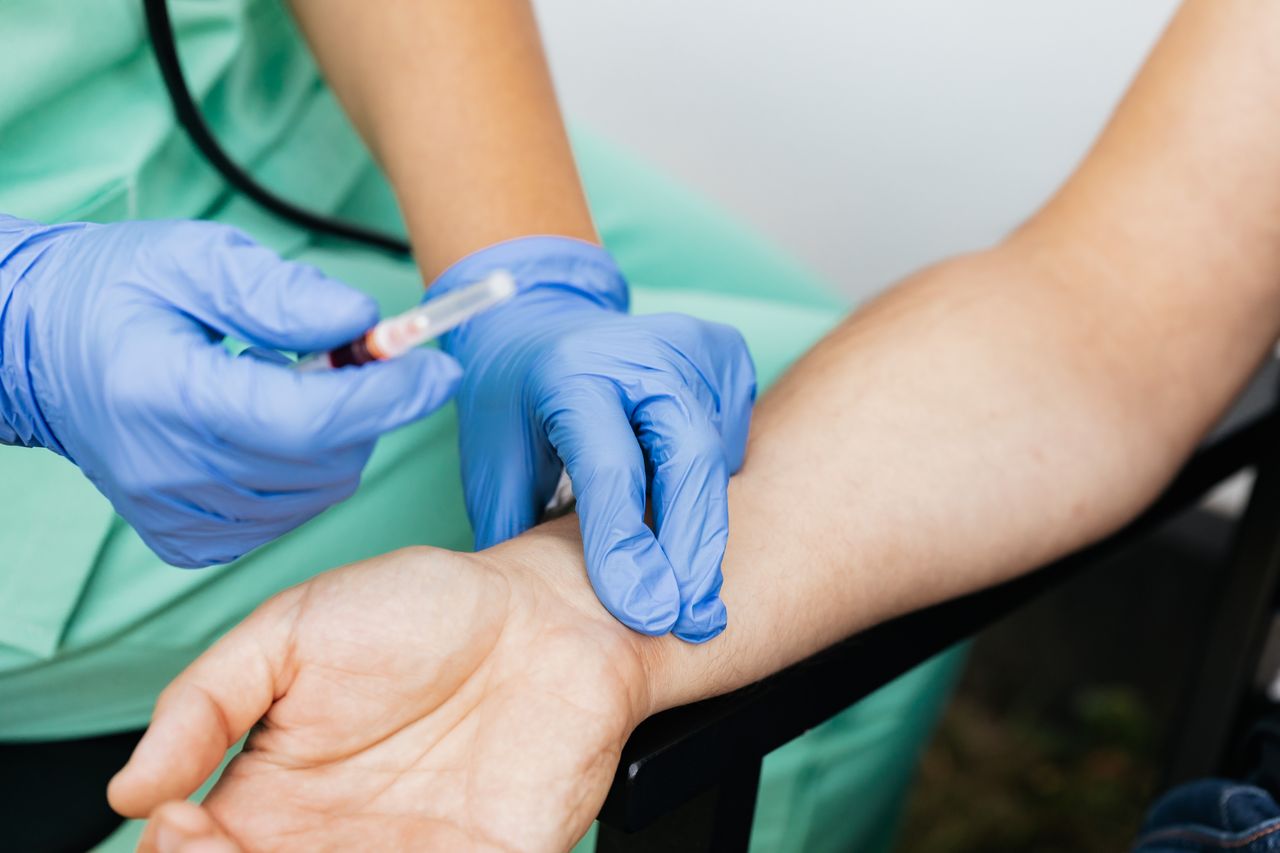
A blood test involves a healthcare professional taking a small sample of your blood, usually from a vein in your arm, and sending it for analysis.
The sample is checked for different markers that can show how your body is working, helping doctors diagnose conditions, prescribe medication, monitor existing health problems, or check your general wellbeing.
Blood tests are one of the most common medical tests carried out in the UK. They are used for everything from routine health checks to investigating symptoms such as tiredness, infections, unexplained weight changes, or ongoing pain.
The Good Practice offers private blood tests in Radlett, Hertfordshire, with same day appointments and availability on weekends. If you are under our annual membership, you can receive blood tests free of charge.
Key takeaways:
- A blood test involves taking a small sample of blood to check your health and look for signs of illness.
- Most blood tests take only a few minutes and are carried out by a trained healthcare professional.
- Results can be available quickly, although some tests need extra laboratory checks before they are confirmed.
What does a blood test check for?
A blood test can check many different areas of your health, depending on what your doctor or healthcare provider is looking for. Common checks include:
- Cholesterol levels and heart health risks
- Blood sugar levels to check for diabetes
- Signs of infection or inflammation
- Liver and kidney function
- Hormone levels, including thyroid hormones
- Vitamin and mineral levels, such as vitamin D or iron
- Blood cell levels to check for conditions such as anaemia
- Immune system function
- Blood clotting ability
- Electrolyte levels, including sodium, potassium and calcium
- Thyroid function
- Allergy markers
- Inflammation markers
- Nutritional deficiencies, including vitamin B12 and folate levels
- Bone health markers
- Heart health indicators, including triglyceride levels
- Pancreas function
- Medication monitoring
- Fertility and reproductive hormone levels
- Menopause-related hormone changes
- Genetic or inherited conditions
- Autoimmune conditions
- Cancer markers
- Hydration levels
- Metabolic health markers
- Red and white blood cell function
- Platelet levels and blood disorders
Some blood tests look at a specific problem, while others provide a wider overview of your general health.
How long does a blood test take?
The actual blood-taking part usually takes around 5 to 10 minutes. Before the test, the doctor or nurse will confirm your details, explain the process, and prepare the equipment.
The appointment may take slightly longer if several samples are needed or if you have questions about the test. The blood collection itself is usually very quick.
How much blood do they take from a blood test?
Most standard blood tests require only a small amount, usually between a few millilitres and around 20 millilitres. To put this into perspective, an average adult has around 4 to 6 litres of blood in their body, so the amount removed during a blood test is very small.
How long does it take to get results from a blood test?
Some blood test results may be available within a few hours or days, while others can take longer if specialist testing is needed.
Many routine blood tests are processed within a few days. More detailed tests, such as certain hormone or genetic tests, may take several weeks.
Does a blood test hurt?
Most people describe a blood test as uncomfortable for a few moments and not necessarily painful. You may feel a quick pinch when the needle goes into your skin, followed by mild pressure.
Some people feel nervous about needles, but our team at The Good Practice can help make the process easier. Relaxing your arm and looking away from the needle can help if you feel anxious.
Who administers a blood test?
Blood tests are usually carried out by a trained healthcare professional, such as a nurse, phlebotomist, doctor, or healthcare assistant with appropriate training.
Phlebotomists specialise in taking blood samples and are highly experienced in making the process quick and comfortable.
How soon can I get a blood test in a private practice compared to the NHS?
Private clinics often offer quicker appointments compared with NHS services, where waiting times can vary depending on demand and location. At The Good Practice, we can often arrange blood tests at short notice including the same day if need be.
A private blood test may sometimes be available within days or even on the same day, while NHS appointments may require a longer wait depending on your circumstances.
Private services can also offer health screening packages for people who want to check specific areas of their health.
Can I eat before a blood test? How should I prepare?
Some blood tests require preparation. For example, you may need to avoid eating for several hours before a fasting blood test. Your healthcare provider will tell you if this is needed.
Can I have a blood test if nothing is wrong?
Yes, blood tests are an important tool for prevention as well as diagnosis.
Research suggests that routine blood testing can help identify health concerns early. For example, diabetes affects more than 4 million people in the UK, and blood glucose testing plays an important role in diagnosis and monitoring.
If you are worried about symptoms or have been advised to have a blood test, speaking to our team at The Good Practice can help you understand what the test is checking and what happens next.
Similar posts you may like








Contact methods
You can contact our reception using the details below
Address
Unit 27B, Battlers Green Farm, Radlett, WD7 9PH
Request a callback
Alternatively, request a callback the contact form below.